

There is quite the allure to ice fishing. Yes, it’s both a sport and a hobby, but it’s more than that. Ice fishing provides a getaway from the noise and the daily grind. Out on the frozen water, it’s just you, the vast, quiet landscape, your potential catch and the loudness of your chattering teeth! It could have been a peaceful fishing trip, but someone forgot to dress appropriately. So, how do you stop spooking the fish with your chatter and stay warm while ice fishing? Read on to find out the essential ice fishing gear and cold weather apparel that will keep you comfortable in even the iciest conditions.
Spread the Love
Disclosure: Posts may contain affiliate links. Purchases made through our links result in a small commission to us at no charge to you. We only recommend products that meet our brand standards based on testing and first hand use by our authors.
Stay Warm While Ice Fishing – It’s All in the Layers!

Your mama has been dressing you in layers since you were a tiny tot. Then you hit your teens, and layers become so uncool. Ice fishing apparel essentials are no different. What is, is figuring out how warm-blooded you are and if you’re the fidgety type? Why is this important? Again, it goes back to layers. Not enough, you’ll be cold. Too many, and you’ll be sweating buckets. So, let’s take a look at how to dress for ice fishing without freezing our noggins off in those freezing temperatures.
1. Ice Fishing Clothing Starts with the All Important Base Layer
The best clothes for ice fishing starts with ice fishing base layers, aka long johns or thermal underwear. They are your best friend, no matter the winter activity. A quality base layer will wick moisture away from your body, control odour and insulate. The right insulation materials can make all the difference in heat retention during those long hours on the ice.
There are three types of base layers you should be aware of:
- Synthetic Base Layers are fast-drying, high-wicking polyester fabrics. Synthetics are ideal for high-performance activities and offer fantastic temperature regulation.
- Merino Wool Base Layers are breathable, antimicrobial, non-itchy and soft. Merino wool is fantastic for low-impact activities and provides natural odour control.
- Merino-Blend Base Layers are more durable and softer than your typical Merino wool. Usually found as 80% Merino wool with 20% polyester. It’s the best of both worlds at an affordable price.
Here’s where things get tricky. While fishing in winter, you are not working up a sweat – you’re pretty stationary for the most part. In mild winter temperatures, wear a skin-tight Merino-blend or synthetic base layer to keep you comfortable and ensure moisture-wicking.
Once temperatures get colder and depending on how warm-blooded you are, add a thermal layer to your skin-tight base layer. On those cold ice-fishing trips when temperatures start running into the minus teens and beyond, a third ice fishing base layer will be required. My husband swears by his military polypropylene base layer to keep safe and warm. It’s not the prettiest thing, but it gets the job done.
2. Mid-layer
With our moisture-wicking base layer all sorted out in how to dress for cold weather fishing, we need a mid-layer for ice fishing warmth. A 3/4 pullover with thumb loopholes is an optimal mid-layer when it comes to cold weather fishing clothing. The loopholes help avoid frostbite on the ice. It keeps your wrists warm and prevents your sleeves from riding up and getting exposed to the elements. For colder days, layer on a pullover with wind-breaking qualities for added warmth. Another excellent option for extreme cold is a heated vest, which can provide the additonal warmth to your core without the added bulk. Recommended is a grid fleece mid-layer which is breathable and features enhanced insulation.
3. Warm Outer Layer for Ice Fishing
Did you know that denim acts as an insulator? So much so, that they recycle denim and use it as building insulation! Within the fibers are trapped pockets of air, which keeps the body’s warmth from escaping. This is why many people, not just anglers will wear jeans in the winter or over their base layers. Another choice is to wear insulated pants for cold weather fishing, or ice fishing bibs. Carhartt bibs are a favourite here – I must admit, they are warm and super durable.
On those super cold days, layer the jeans with jogging pants and throw on a hoodie. The hood should stick out of the jacket to help keep your neck warm. For added warmth, consider a puffy jacket or insulated jackets as your outer most layer, which provides excellent insulation without excessive weight.
Hate the Bulk?
Our family does not step on the ice without a flotation suit. Since we snowmobile, we use our FXR jackets and pants, which removes the need for a layer or two. Not once have we complained about being cold. Snowmobiling on -30 degree days, we would wear a Merino top base layer, tights for me, pants for my husband and our FXRs. Just to clarify, most FXR jackets come with a removable insulated liner.
New to the market are greater options to all-in-one ice fishing suits or float suits. Brands like Striker Climate and FXR Pro Series offer plenty of options that combine both warmth, waterproofing, buoyancy, and flexibility. Their designed specifically for ice fishing conditions and can be a great alternative to layering multiple pieces of winter workwear.
If you’re not wearing a warm flotation or fishing suit with sealed seams, opt for a long jacket to help keep your back and behind warm. Make sure the fishing parka / jacket has an insulated zipper to keep the wind from blowing on your chest. An added bonus would be a removable liner for when you need to shed a layer. Look for jackets with a DWR coating for added water resistance and wind protection.
As to insulated pants for ice fishing, make sure your pants have padded knees. It makes ice fishing more comfortable and helps prevent the cold from creeping into your joints. Your insulated fishing pants or snow pants should also have boot fasteners – these keep the pants from riding up and exposing your ankles to the cold. It also helps keep the water out, enhancing the overall water resistance to your outfit. Some pants even come with ankle guards to protect against cold exposure.
How To Keep Feet Warm While Ice Fishing

Foot protection when ice fishing is extremely important! The ice is colder than your feet. The heat transfers away from you and into the ice, this gives you the feeling of extreme cold. Let’s start with layering your socks.
On a mild ice-fishing day, a thin merino wool sock will do. As the temperature drops, add thicker wool socks or thermal socks. Once cold or arctic conditions hit, wear a thick cotton sock over your two wool socks. The cotton sock helps with breathability. When looking for the best socks for ice fishing, we usually stick with Smart Wool’s extra cushion hunt sock or Darn Tough heavy-weight hunting socks.
Stay Warm Life Hack
Here’s a cold weather hack. When hunting, my husband will put on a thin sock, then a foot warmer, followed by a thicker sock. This little trick has kept him cozy on those long deer hunts. It also works well with winter ice activities.
Footwear for Cold Weather Fishing
Do not go on the ice without waterproof boots! On mild winter days, an insulated tall rubber boot will do. Once we head into cold temps, switch over to heavy-duty insulated fishing boots that are waterproof like Irish Setters, MuckBoots, or Baffin. Look for boots made with synthetic rubber or other waterproof materials to make sure your feet stay dry. The warmest boots for ice fishing should have a minimum of 1000 g of Thinsulate insulation. Some of the best boots for ice fishing are Cabela’s Inferno, Baffin Titans, and Korkers Polar Vortex 1200.
What to Look For When Buying Warm Boots for Ice Fishing?
- Buy one size larger than your regular shoe size to accommodate the extra socks.
- Boots with removable liners are easier to dry or wash.
- The boots should have a rubberized coating on the lower part to prevent water from seeping through.
Cold Weather Fishing Accessories
Since most of our body heat escapes from the head, we need to keep your head covered when ice fishing. Opt for a thick, heavy knit hat that covers your ears, followed by a neck warmer or neck gaiter to keep you nice and warm from the ice wind.
If you’re not fishing inside an ice shelter, a balaclava is great for face warmth and preventing frostbite.
Winter Gloves / Ice Fishing Glove Options
As to fishing gloves for cold weather, a grippy rubber glove will do on mild winter days. You will swap these rubber gloves out for insulated leather gloves as temperatures near zero. Thermal fishing gloves with wrist guards or insulated waterproof mittens for fishing will be your go-to when temps reach minus. Mittens naturally keep your fingers warmer as they keep your fingers together. For those of you who need more dexterity, fingerless gloves are an option, especially when paired with hand warmers.
When choosing ice fishing gloves or waterproof fishing gloves, look for:
- adjustable wrist straps for a snug fit
- textured palms or silicone patterns for gripping slippery fish
- reinforced palms for durability and comfort
Some anglers prefer convertible mittens, which offer the warmth of mittens with the option to expose your fingers for fine motor tasks, like tying hooks. Neoprene fishing gloves are another excellent choice. They are just as warm and water resistant. Just make sure that you are wearing the appropriate glove for the weather!
If it’s within the budget, heated gloves work remarkably well for maintaining hand warmth and mobility. Just make sure that the gloves are waterproof. Check out our heated gloves to see which ones worked really well for us. The key is to find a balance between insulation and tactile sensitivity, ensuring your hands stay warm while allowing you to complete the necessary fishing tasks.
Hand and Toe Warmers
Being cold spoils the fun, losing dexterity loses a potential catch and can be life threatening. Investing a few bucks into hand and toe warmers is a no-brainer. You will always find some in our emergency packs and cars. Our go-to is the HotHands Toe, Hand & Body variety pack – the body warmer is super useful. We all know that one guy with their back sticking out complaining that they’re cold. And for those of us who always have cold extremities, there are plenty of battery-powered warming devices to choose from.
Remember!
Always bring spare clothes for ice fishing. You’ll be thankful for that extra hat and socks when you fall through the ice, get sweaty or wet from that monster fish you caught.
Don’t Cheap Out on Basics!

Lastly, to stay warm when fishing, we highly suggest that your ice fishing clothing budget goes towards quality winter boots, base layers and gloves. Cheap gloves and boots will wreak havoc on your fishing experience and may land you in trouble.
Hypothermia is not a joke! You may not notice the symptoms until it’s too late. That is why you need to take every precaution to avoid skin exposure and minimize heat loss. Read our ice safety post to familiarize yourself with the symptoms of hypothermia and what to do if you fall through a frozen body of water.
Remember!
Keep your head, neck, wrists, ankles and feet covered and warm!
Final Thoughts on How To Stay Warm While Ice Fishing
Do not over complicate when deciding what to wear when ice fishing. How to keep warm while fishing is easily done when you layer correctly – ice fishing can become a very miserable fishing adventure very quickly if you don’t. No one on this planet enjoys being cold to the bone, nor does anyone like losing a catch because of cold hands or shivers. So, do yourself a favour, layer up with the right ice fishing gear and enjoy a day out on the ice with dry hands and comfortable warmth.
👉 I hope you enjoyed my how to stay warm while ice fishing guide. Share your ice fishing tips and tricks for staying warm in the comments below! What’s your go-to gear?
Bookmark this post on Pinterest for future reference!



I’ve never tried ice fishing, but it’s something I’d love to try (if I can overcome my impatience). I love your tips, merino wool is my go-to fabric for sub-zero temperatures, I couldn’t have survived without it in the Swedish Lapland. Thanks for sharing!
You can not go wrong with a quality Merino base layer. That’s all we usually wear under our snowmobile suits. Personally, ice fishing is way better with a companion!!
I’d like to try ice fishing but here in NC we don’t get temps cold enough. Really interesting info about layering and hypothermia. What sort of success do you get and what are some of the fish you catch?
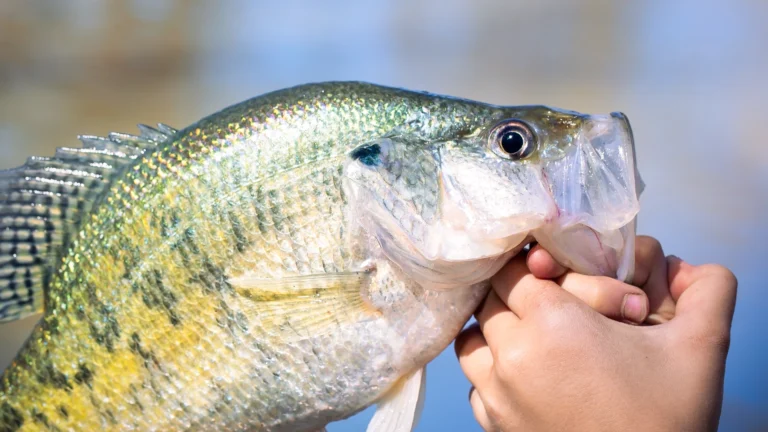
Thank you for your comment! It’s too bad that you are not able to partake in ice fishing. It’s a fun sport, unless you’re in an ice hut, it’s not so fun in frigid temperatures. On our lake it’s mostly crappie, but friends of ours love fishing the Bay of Quinte inlet in Lake Ontario. There you’re catching mostly walleye. When frozen over, Lake Erie is pretty good for perch. As with a regular fishing season, there are good days and then there are days you’re counting snowflakes. 😉
My dad would always joke and say he needed to stay hydrated on his fishing trips to stay warm. Now that I’m older, I realize he was just drinking with his buddies! Thanks for the advice on gear. I want to go Ice fishing again this year!
Haha, classic dad move! He definitely found a clever way to combine hydration with a good time. Ice fishing is the perfect excuse to keep the drinks flowing! Can’t wait to hear about your fishing tales this year!
I have never tried ice fishing. But I sit outside and meditate for hours, during winter as well. Your tips are very useful. Thank you for sharing!
Oh, I’m so glad that you found this post helpful!! Meditation is difficult when the cold is creeping up your back. Stay warm and enjoy what’s left of winter!!
Great Advice! I moved to Alaska in September last year, and my little ones can’t wait to try ice fishing!! Good tips.
Thank you! Wow, that’s quite the move. I remember visiting as a kid – Alaska was so beautiful with so much to explore. Ice fishing with LO’s is interesting – they’ll want to spend more time scoopingo ut ice and playing with the water than actually fishing. Have fun!