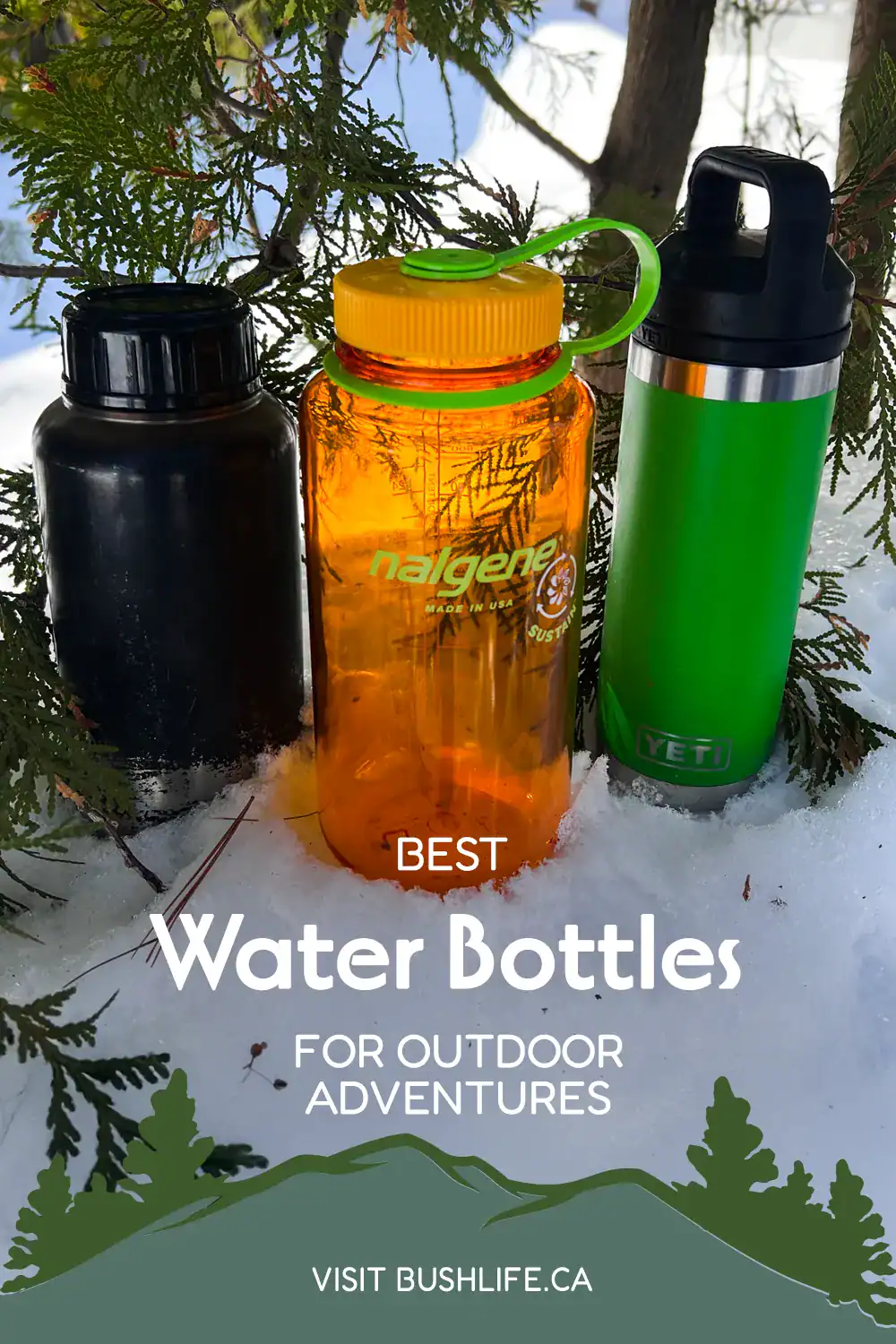
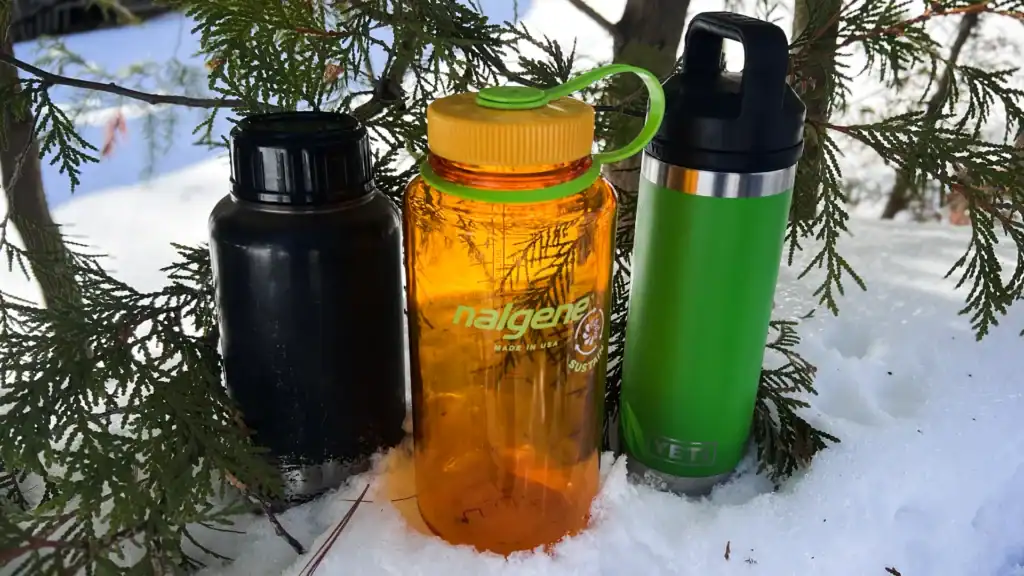
The fastest way to ruin an outdoor adventure isn’t bad weather, it’s dehydration! And most don’t realize it until it’s too late. I know what you’re thinking – it’s just a 30-minute hike, off-road ride or fishing trip – no big deal!!! But be honest, how many of those ‘quick trips’ actually lasted longer than half an hour? And how many times did you kick yourself for not packing your best water bottle?
Lugging the latest, trendiest 5-gallon water bottle 😒 is a backbreaker!!! Seriously, how much bigger a bottle do you need to carry!!! Thankfully, you don’t have to, no matter what influencers say. Leave the branded behemoth in your truck and let’s find the most practical and best water bottle to carry on your next backcountry hunt, sunrise fishing trip, portage route, or a simple day hike!
1. Single-Wall vs Double-Wall: Which Water Bottle Is Best for Hiking?
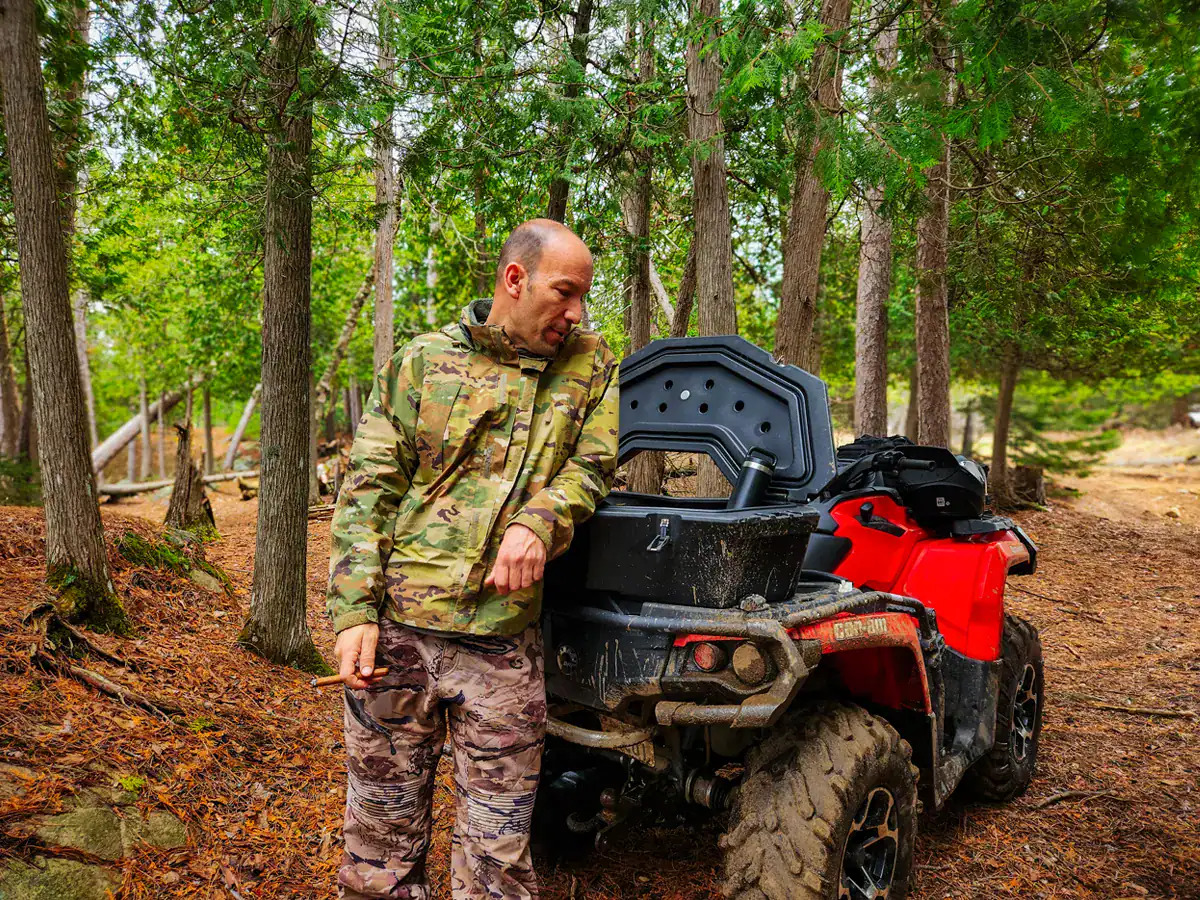
There are two types of Stainless steel bottles: single-wall and double-wall. Both are tough, durable, and safer to drink from than any plastic water bottle.
The main difference is weight and keeping liquids at the right temperature: double-walled versions are heavier (approx. 1.40 lbs), especially after long hours of hiking or climbing, while single-wall bottles are lighter (approx. .53 lbs) and easier to carry during active adventures. With cold liquids, a single-walled bottle will sweat. They’re also not the best at maintaining temperatures.
When lounging on the dock, camping or on a fishing expedition, the double-walled bottle is perfect. For activities like hiking, backcountry camping, or portaging a canoe, weight matters – A LOT. A single-wall stainless steel water bottle is lighter and serves a dual purpose.
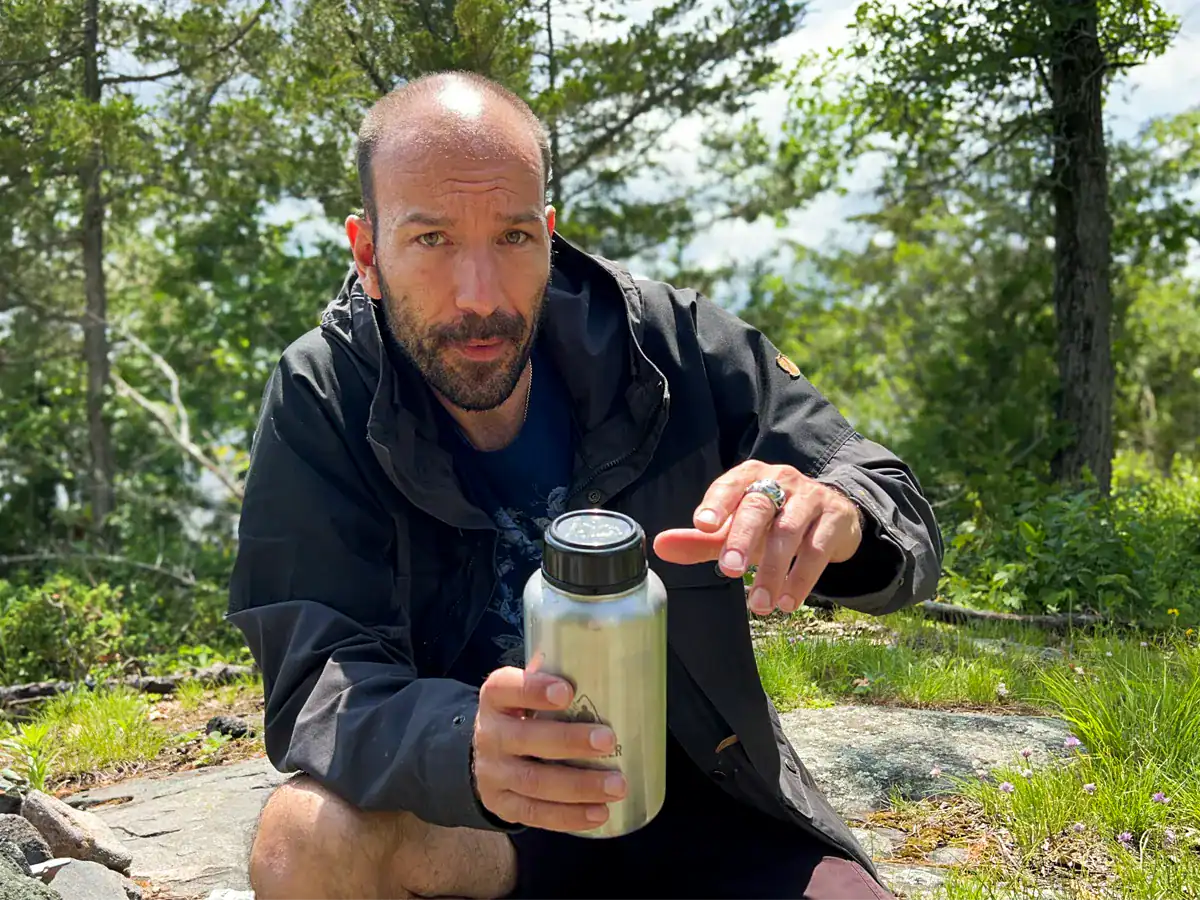
Low on water? This is where your single-wall bottle shines. Use it to collect water from any natural source, then simply boil it over a fire or stove to ensure safe drinking water. Not sure how to source water in the wild? Read our guide on how to find and purify water in the wild.
Besides being good for sterilizing water, the bottle can also be used in the backcountry for cooking basic meals, or in survival scenarios where you need to melt snow for emergency hydration. The single-walled bottle also makes for a comforting hot water bottle for warming up and soothing aches from treacherous hikes. It’s the perfect addition to a lightweight pack setup.
Not Every Stainless Bottle is Safe!
Only buy water bottles made from food-grade 304 (aka 18/8) or 316 surgical-grade stainless steel. These steels are non-reactive to acidic liquids.
Don’t buy cheap-quality steel bottles; they can make you sick! Bottles like these can contain cadmium, nickel and chromium, or may be lined with BPA.
Independent consumer testing has found that some insulated stainless steel bottles use a sealed lead soldering dot at the base. When intact, it poses no risk, but if the bottom cap is damaged or broken off, exposure becomes possible. Damaged bottles should always be replaced.
In testing insulated water bottles for children, Natural Baby Mama found that both YETI and Klean Kanteen have no exposure to lead, making these two of the safest choices.
| Single-Wall | Double-Wall | |
|---|---|---|
| Weight | Lightweight | Heavier |
| Boil Water? | ✔️ | ❌ |
| Keeps Drinks Cold | ❌ | ✔️ |
| Best For | Survival | Comfort |
2. Lightweight Water Bottles for Everyday Hydration
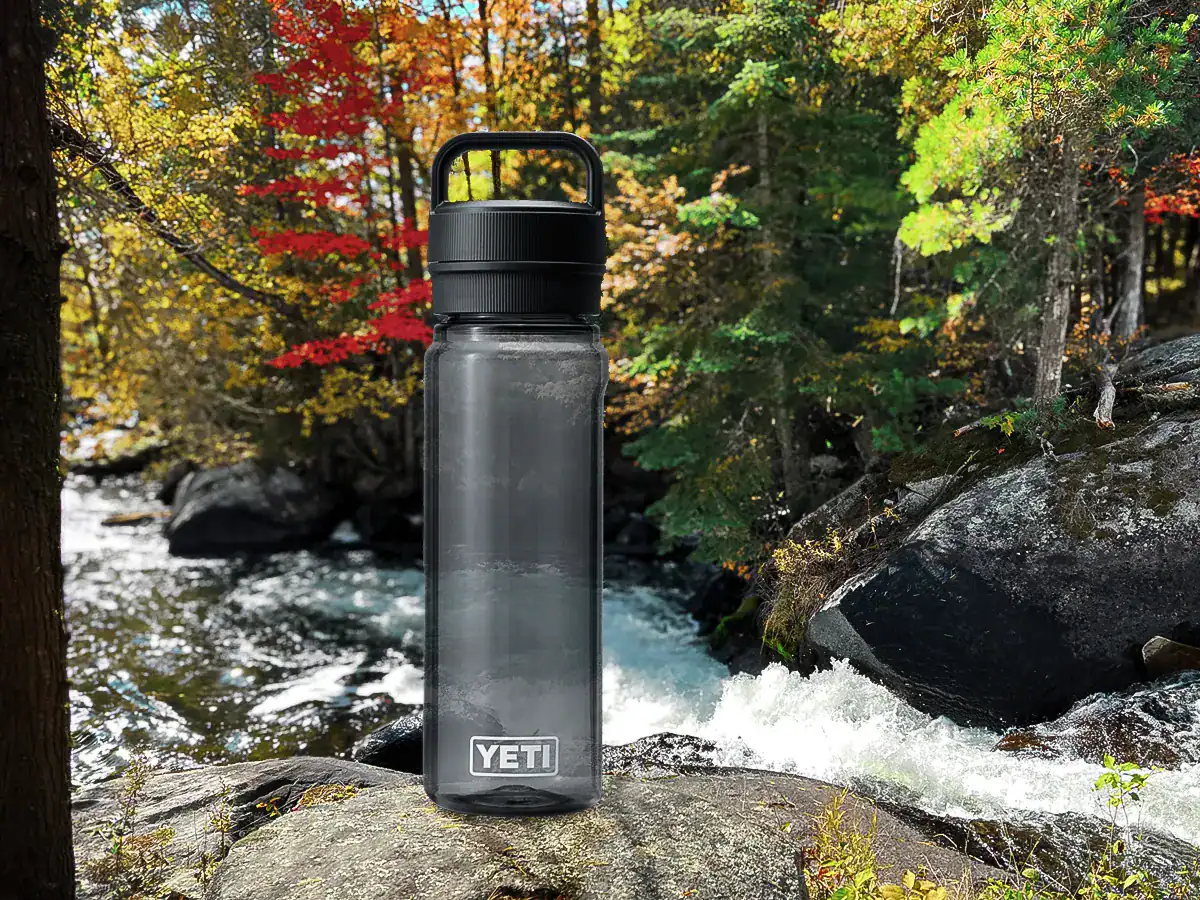
While your stainless steel bottle is perfect for water safety, a lighter bottle is preferred to carry throughout the day. Look for something easy to sip from and comfortable to carry, so you stay hydrated and energized on your adventures.
Did you know that we ingest a credit card’s worth of plastic every week?!
While estimates vary, research commissioned by the World Wide Fund for Nature estimates that we are ingesting measurable amounts of plastic each week.
You can take action by opting for silicone water bottles instead of plastic, both of which are light for carrying. However, plastic bottles leach chemicals into your beverages, while silicone bottles are less likely to do so under normal conditions (not high temp.). This difference is important to remember when considering long-term health and safety.
When buying a silicone water bottle, look for food-grade and high-quality materials. Silicone water bottles have their own set of cons; one is that they absorb the taste and smell of whatever has been stored in them.
Remember that chicken broth you were sipping on? Soaking the bottle with baking soda and water will remove the weird taste and smell. If you go this route, I suggest you designate a bottle for just water. The other disadvantage is that silicone degrades under very high heat, which isn’t a concern for normal drinking use.
3. How To Clean and Maintain Water Bottles in the Wild
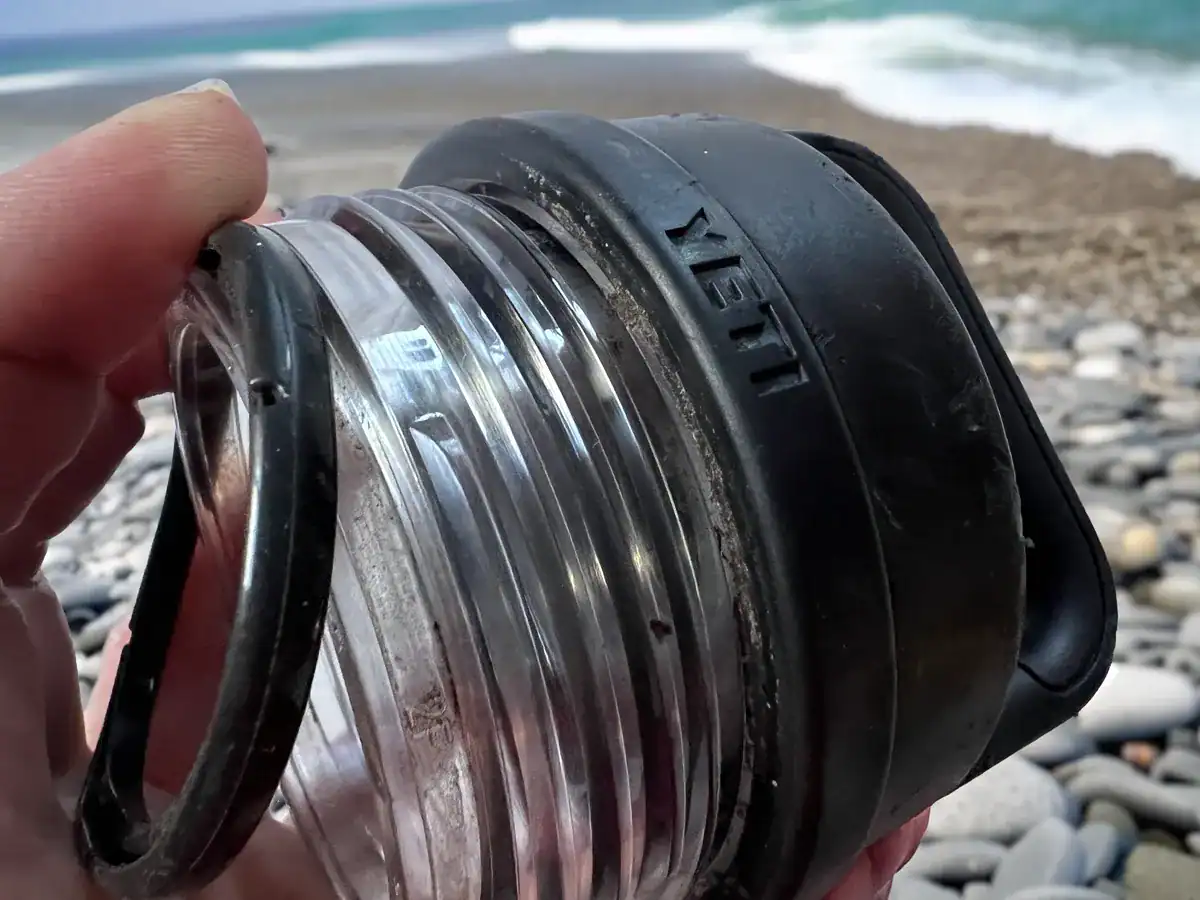
Cleaning anything in the wilderness is challenging, which I’m sure you’re well aware of. On a day hike, you can clean your water bottle at home, but what about a week-long adventure? Here’s how to do it:
- Boil water inside the bottle.
- Use natural cleaning agents.
- Or use some good old soap and water.
Once home, take your water bottle apart and clean it thoroughly. For example, on a YETI Rambler Water Bottle with Chug Cap, remove the rubber seal. You’ll find that grime and mildew will accumulate here if not cleaned, leading to a whole slew of health problems. Don’t forget to clean inside the cap and straw! Use a quality straw cleaning brush. You don’t want to be swallowing any lost bristles from the brush.
4. Other Water-Carrying Gear to Consider
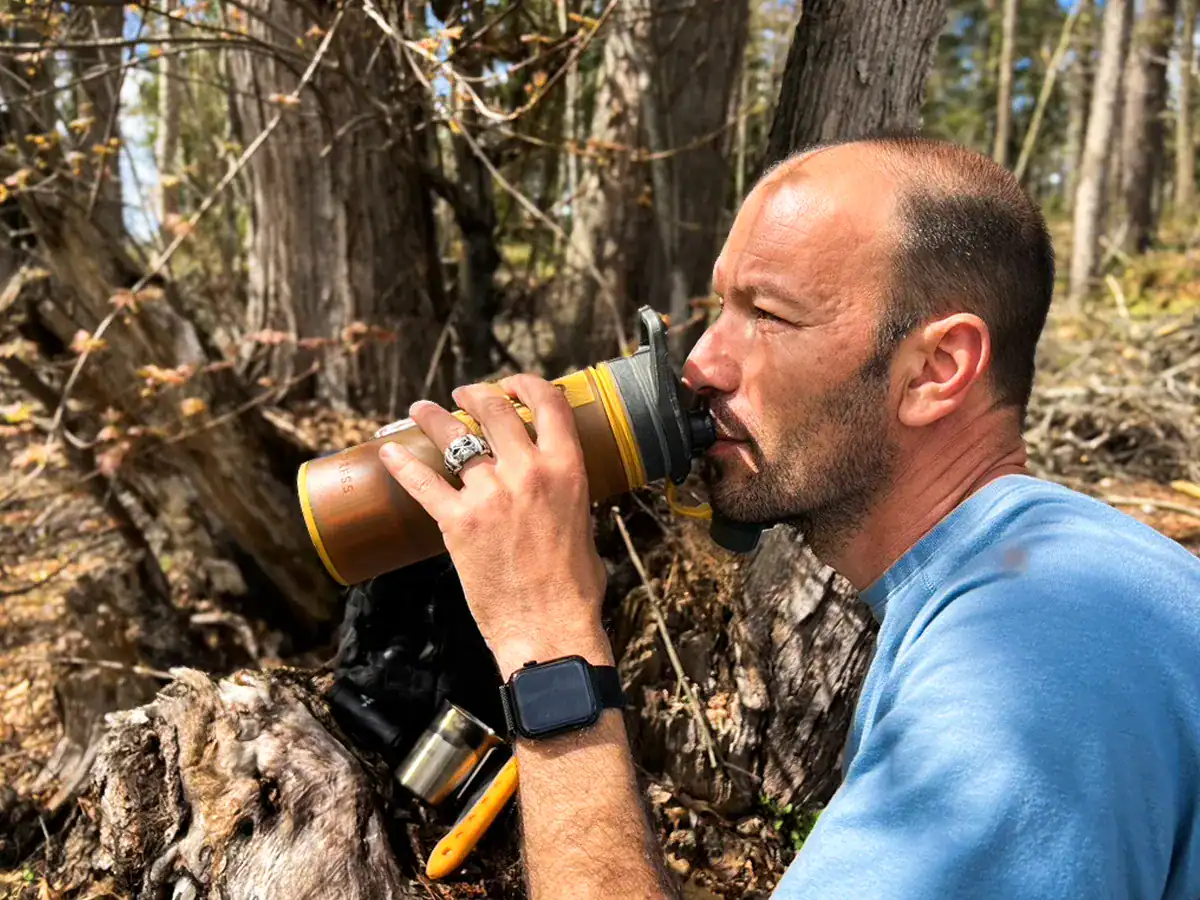
Collapsible bottles are handy but require careful cleaning and drying to avoid mould. Most hikers prefer a hydration bladder as a water bottle for backcountry hiking to keep their hands free. In our pack, we carry a Grayl filtration bottle as an emergency water bottle for survival. It’s great at removing pathogens, particulates, chemicals, etc, and lets you drink safely from natural water sources without carrying extra water bottles. One filter filters through 250L (65g) of water. Another emergency option is chlorine tablets – they’re not our favourite, but they work in times of need and make for an excellent backup to a backup.
How To Choose the Right Water Bottle Size?
For day hikes with easy access to water, a 24-oz. water bottle is a great starting point. However, if your adventures take you deep into the woods where water access is limited, go for a larger 32 oz. water bottle.
A few things to keep in mind when buying a water bottle:
- Outside temp: When it’s hot outside, people tend to drink less when they should be drinking more.
- Perspiration levels: If you sweat a lot or the activity is strenuous, opt for larger bottles.
- Access to water: No immediate access to water? Use larger water bottles and carry a means to filter water.
In our pack, you’ll also find a Pathfinder 32 oz. stainless steel single-wall water bottle for gathering water, drinking, and meal prep. Our Grayl purifying water bottle is smaller at 24 oz., which cuts weight, making it easier to haul on long hikes. Otherwise, we carry a YETI Rambler Tumbler for day hikes, off-roading, and for water activities like canoeing, paddleboarding and swimming. The YETI takes a beating and keeps on ticking!
What Water Bottle Do Hunters and Anglers Prefer?
My partner, an avid hunter, will use his YETI Rambler water bottle for hunting. It has taken years of abuse, fits easily into his pack, and keeps his beloved liquids at the right temperature no matter the outside temp. When it comes to a water bottle for fishing trips, we opt for individual YETI double-walled Ramblers to carry liquids of our choice or, for longer trips, the YETI jug for our water consumption. We fish on lakes by boat, so for us, weight is not an issue. If you were to bank fish, I’d opt for something a lot lighter than the YETI.
How Much Water Should You Bring?
Although not a strict rule, a good rule of thumb for most outdoor activities is about 1 litre of water for every 2 hours of hiking or activity. This varies with temperature, exertion, and personal needs.
In survival terms, the ‘rule of three’ means that humans can generally survive three days without water. This is something you don’t want to test, especially as a beginner! My goal is not to stress you out, but give you an idea of how much to carry to stay hydrated, comfortable, and safe.
For day hikes with easy access to water sources, a 24 – 32 oz (700-950 mL) bottle is plenty. For longer backcountry trips or situations where water is scarce, bring extra water or carry a reliable filtration method, like a portable filter or a Grayl bottle.
Water Bottle FAQ’s
Technically glass, but that’s not ideal for the outdoors. A food-grade stainless steel water bottle is your best and safest choice.
Yes, silicone is better than plastic! With the exception of high heat, silicone water bottles do not leach chemicals into your drinks, nor do you ingest any microplastics from the bottle.
The rule of thumb for a day hike is to bring 1 litre of water for every two hours of hiking.
Yes, just make sure you are using a single-wall stainless bottle.
For a day hike, 24 oz is fine. For longer hikes, make sure you have access to a water source and carry a water filtration method.
Although not the lightest option, the safest water bottle material is 304 food-grade or 316 surgical stainless steel.
Why Water Prep Can’t Be Overlooked
We’ve all been there… thinking we’re just out for a quick 30-minute hike, but then time flies, and next thing you know, you’re tired, sweaty and dehydrated. The worst part? You start feeling lightheaded and weak, wishing your car would magically appear to take you home… while all you’ve got is a can of pop in your back pocket. (Spoiler alert: that won’t cut it.)
There are so many heartbreaking incidents where hikers got lost and were dehydrated when found. Simple preparation could have helped these people avoid untimely deaths.
The truth is, carrying enough water and the right gear isn’t just for hardcore adventurers; it’s for anyone who wants to get outside and come home safe. That’s why we recommend a rugged stainless steel bottle for boiling water and a lightweight water bottle for sipping throughout your activity. These simple choices can literally save your life.
Remember, the bush isn’t a fashion show for the latest gear brands; it’s about being prepared, confident, and having fun in the wilderness.
👉 Tell us what’s your go-to bottle in the comments below – we’d love to hear from you!
Bookmark this post on Pinterest for future reference!