
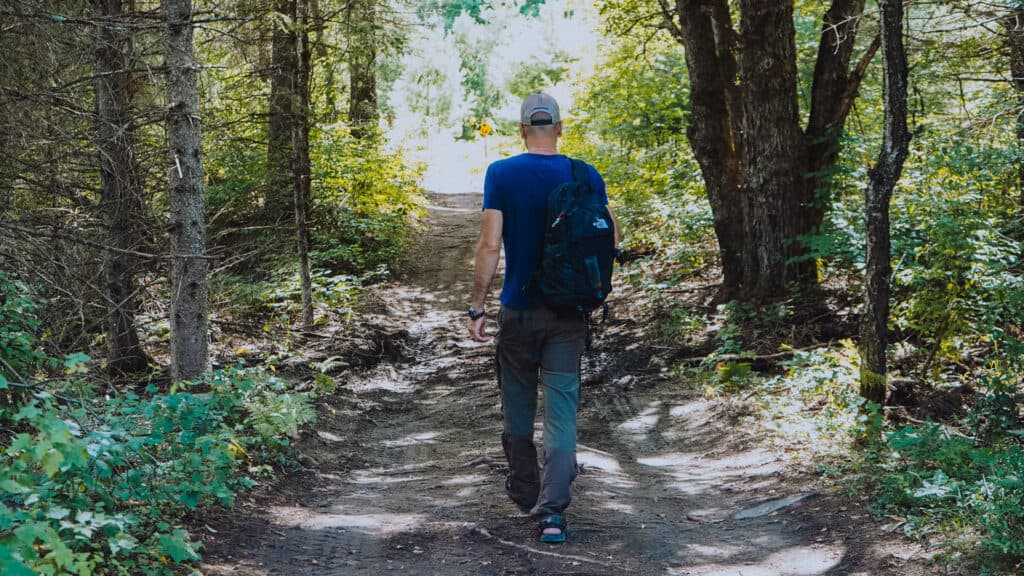
Have you ever ventured out on a day hike and found yourself unprepared for the unexpected? Maybe you were caught in a sudden downpour or realized you didn’t have enough water halfway through your trek. Preparing your day hiking essentials may seem tedious, but it’s necessary for a safe and satisfying experience. This guide highlights essential day hiking gear to carry and explains why they matter, providing you with a complete hiking packing list for your next hike.
Spread the Love
Disclosure: Posts may contain affiliate links. Purchases made through our links result in a small commission to us at no charge to you. We only recommend products that meet our brand standards based on testing and first hand use by our authors.
What is Day Hiking?
Day hiking is a trek that is completed the same day, no matter the destination. Whether you’re a beginners or an experienced hiker, having the proper hiking kit will make all the difference in your trek.
Day Hiking Clothing: Dressing for Comfort in Varying Conditions
There is no such thing as bad weather, just bad dress!
Whether it’s a short hike or a single-day trail hike, dress for the weather forecast and season. Failing to do so will put you in harm’s way!
Layering Hiking Attire: The Key to Adaptability in Changing Weather
Layering is the key when deciding what to wear hiking! It lets you adjust your hiking outfit to changing temperatures. You want to be comfortable and protected from the elements, all while also being able to hike freely.
Start with a moisture-wicking base layer, add an insulating layer, and finish with a waterproof outer layer like a waterproof jacket for weather protection. This layering system is part of the best hiking gear strategy for staying comfortable in all conditions.
Choosing the Right Fabrics for a Day Hike: Moisture-Wicking and Breathable Materials
A moisture-wicking, quick-drying top and bottom will keep you dry and comfortable, even if you sweat. Look for breathable fabrics made from polyester, nylon, Gore-tex, fleece or merino wool. Avoid wearing cotton as it absorbs your sweat, leaving you feeling cold in the cooler months and sweaty during hot weather.
Summertime Hiking Apparel
During summer hikes, some day hikers prefer shorts, while others opt for hiking pants with zip-off legs that can convert into shorts. Whatever you choose, make sure they are durable enough to withstand the rough terrain.
Before you reach for those hiking shorts, consider your hiking spot. Hiking trails covered in tall grasses, overgrown with brush, or game trails risk exposure to poison ivy, brush cuts, bug bites and ticks.
Spare Clothes to Take With You
Without notice, the weather has a way of wreaking havoc on our hiking plans, and the only thing you can do is to be prepared!
To ensure comfort, always pack protective clothing like a waterproof, breathable, lightweight rain jacket and pants in case of unexpected rain or wind. For the in-between seasons pack a packable puffy jacket or a fleece jacket and a hat. These items are essential hiking gear for unpredictable weather conditions.
During winter hikes, wear your base layer!
Don’t forget a few other day hiking accessories like a sun hat for sun protection or a beanie/winter hat for seasonal warmth. In addition to sunglasses, hiking gloves, sunscreen, SPF lip balm and bug spray to protect you from the elements.
FURTHER READING:
Love Outdoor Gear? Check out some of BushLife’s favourite outdoor gear products.
Footwear: Hiking Boots vs. Trail Running Shoes: Choosing the Right Footwear for Day Hiking
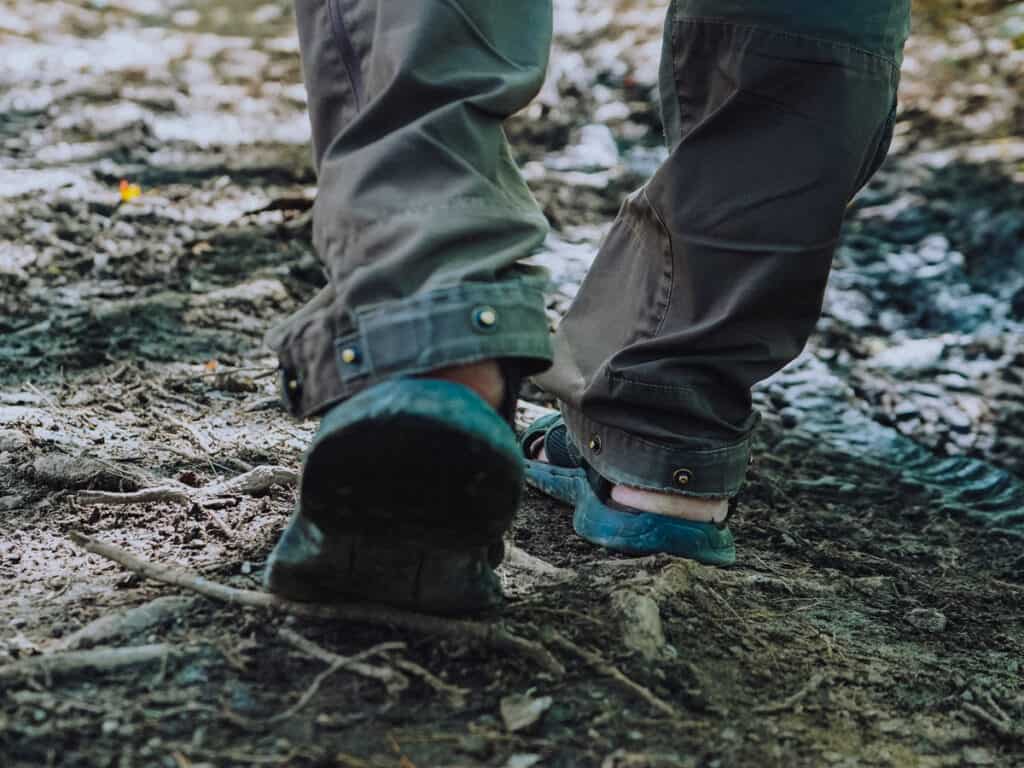
When out trekking for the day, proper hiking footwear is crucial. You’ll want to choose a pair of hiking boots like the Merrell Moabs or trail runing shoes that provide comfort and good ankle support for your feet.
Remember!
Hiking boots offer ankle support and durability, while hiking shoes / trail runners give lightweight comfort. Choose based on trail conditions and personal preference.
Avoid flip flops when hiking, as they lead to accidents, like twisted ankles, trip-ups or slip-outs from sweaty feet. Consider wearing hiking sandals only if you need to keep your feet cool.
Before your day hike, your footwear should be broken in, as blisters can derail your plans.
If hiking in wet or muddy conditions, consider investing in waterproof hiking boots to keep your feet dry. As to the colder months, insulated Gore-tex hiking footwear will give you with much-needed warmth and comfort.
Make sure you pair your footwear with hiking socks that are moisture-wicking. Your socks should be tall, an appropriate thickness for the weather and made of wool.
Pro Tip
Preparing for a day hike always includes packing a spare pair of socks, no matter the trail conditions! Doing so will allow you to switch socks and dry out your damp pair.
Day Hiking Essentials: Fueling Your Adventure with Hydration and Nutrition
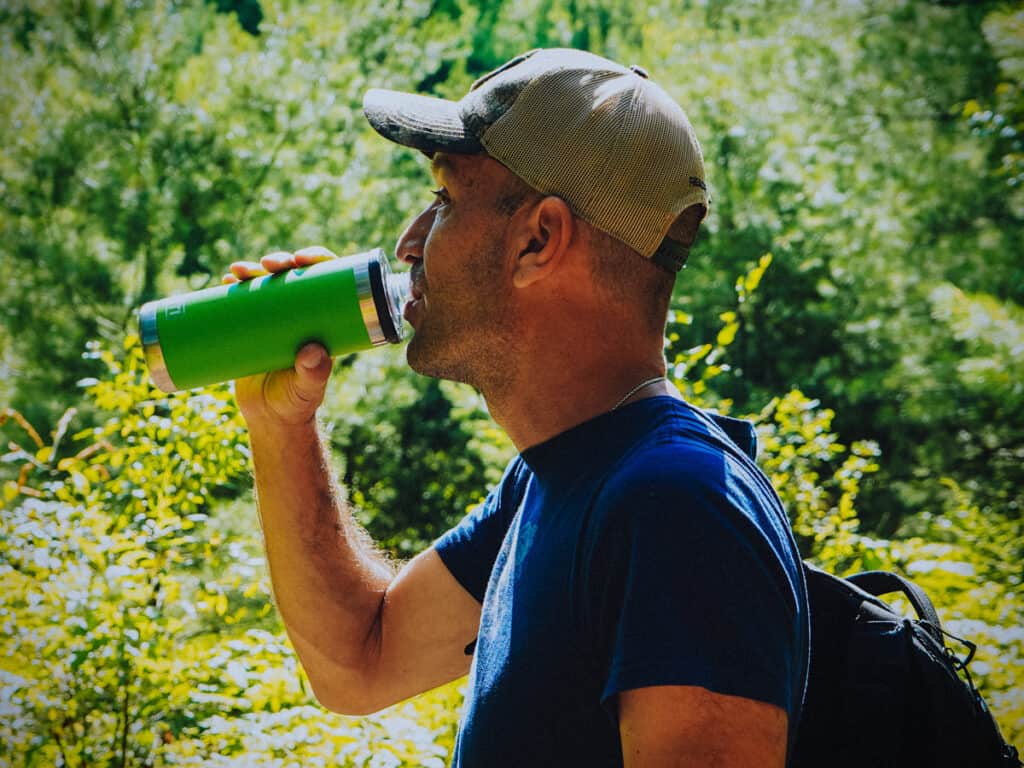
How Much Water and Food Do I Need for a Day Hike?
Every year, we come across tragic stories of hikers being unprepared. No matter how athletic you are or how much knowledge you possess, not bringing enough water, food, or clothing can cost you your life.
Remember!
Dehydration can lead to fatigue, headaches, and more severe issues. Aim to drink water regularly before, during, and after your hike.
Proper preparation is the key to completing a day hike, and an important element of that preparation is bringing extra food and water in your day pack. A general rule is aiming for at least one litre of water for every two hours of hiking, along with a mix of energy bars, trail mix, hiking snacks and dehydrated meals (MRE) to keep you fueled and energized throughout the day.
When day hiking and enjoying the backcountry or wilderness, you don’t realize how much time has passed. Nor do you know how much water you have lost during your day hike. Plan your route and pack enough water to endure your trek until your next refill opportunity.
Investing in a hydration bladder like the Osprey Backpack Water Reservoir or a lightweight water bottle allows you to drink on the go and is a great way to stay hydrated without slowing down your pace. Additionally, pack hydration tablet or electrolyte powder to help replace the nutrients you lose through sweat. For longer hikes or areas with questionable water sources, bring a water filter or water purification tablets.
Pro Tip
Always pack a water filter! Remote areas do not have water-filling stations. You will need to drink water from whatever water source you can find. Without proper filtration, you risk getting seriously sick.
Hiking Snacks: Energy-Boosting Foods for Constant Energy
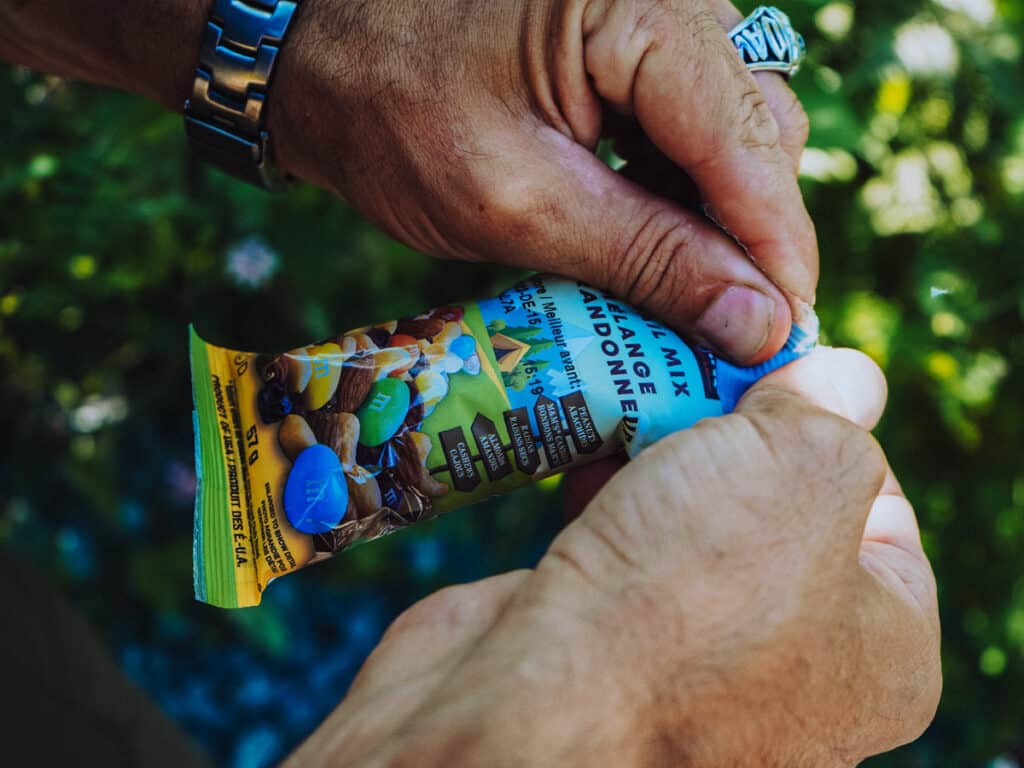
What to bring day hiking in terms of food? You’ll want to bring a mix of high-energy trail snacks and meals that are easy to transport and won’t spoil in the heat. Hiking trail essentials like trail mixes, energy bars, and jerky are popular choices, as are fresh fruits like apples and oranges. If planning on stopping for a midday meal, bring ingredients that can be easily prepared and eaten on the trail, like sandwiches or wraps.
No matter how well you plan, unexpected situations can arise, such as bad weather, an accident, or getting lost. For keep your sanity in check, pack a few extra hiking snacks and an emergency ration, just in case. Not only will these help keep you going in case of delays, but it can also give you an extra psychological boost and replenish lost nutrients when you need it most.
Remember!
Opt for foods like trail mix, energy bars, or jerky. High-protein snacks and complex carbs to help sustain energy levels during longer hikes.
What Day Hiking Gear to Bring for Shelter and Safety Equipment
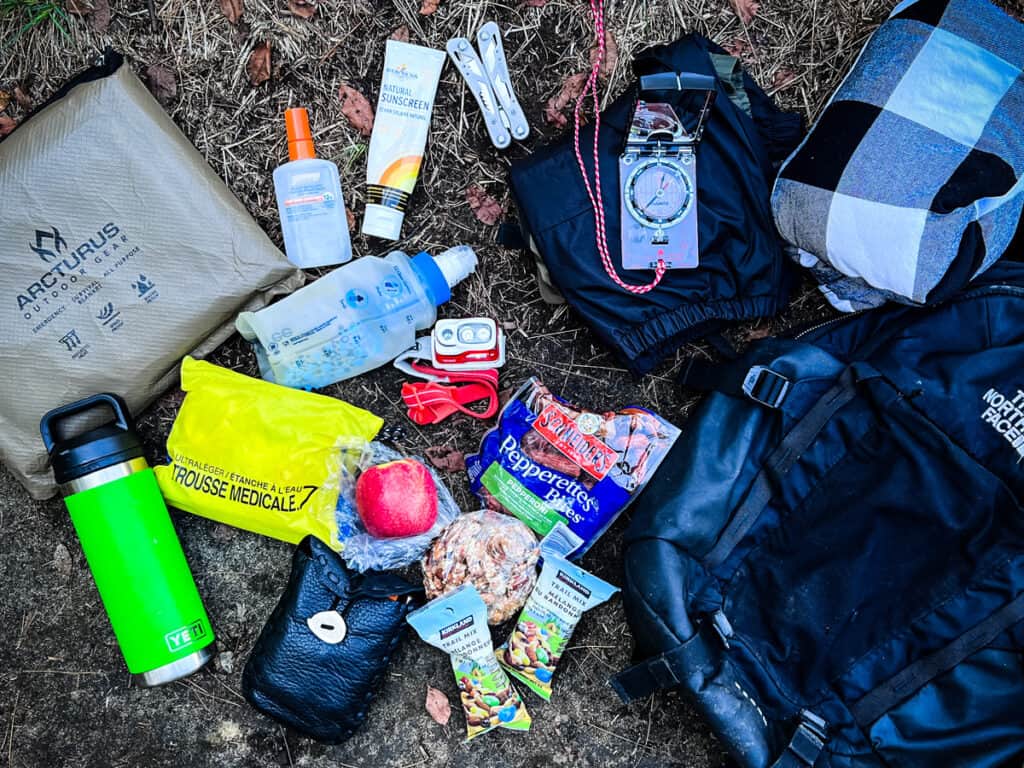
Proper preparation is the key when it comes to day hiking. Even though you may only be out for a few hours, always think of the possibility that something unexpected can and usually does happen – Murphy’s Law. Day hikers should always carry a lightweight daypack. A day hiking backpack of 20 L will do the trick. Add these few day hiking essentials to pack for your next hike.
Navigation: Never Get Lost on the Trail, Again!
First and foremost, always carry a reliable topo map and compass – the Suunto MC-2 is our go-to. Even if you think you know the trail like the back of your hand, it’s always better to be safe than sorry. These land-navigating items will help you veer back to safety if you get lost or deviate off course.
Warning!
Do not rely on your phone’s compass, unless you have location finder turned on and have signal.
I knew my bearings, but wanted to double check where north was to find a comet. Using my phone’s compass, my phone pointed me south – confused, I tried to figure why. My hubby checked his phone and his pointed north. I came to the conclusion that he had location finder turned on and I didn’t. Thank goodness this happened in an area we knew and not lost in the backwoods!!! That would not be good!
Pro Tip
Understanding how to read a map and use a compass is vital. Familiarize yourself with map symbols and how to interpret contour lines. Taking a quick orienteering course can improve your skills.
In today’s digital world, many hiking apps are available. Tools like AllTrails provide trail maps, updates, and user reviews. These apps are great for planning routes and assessing the difficulty levels of the terrain.
Don’t forget to pack a Fox40 whistle and a signalling device for help.
FURTHER READING:
You Need to Adjust for Magnetic Declination! Read our Basic Land Navigation How To’s to help find your way home.
First-Aid and Safety: Preparedness for Unexpected Events
First aid for hikers consists of carrying more than just your basic first aid kit. Whether you get a blister, scrape, or cut, it’s important to have the medical supplies you need to treat any minor injuries or infections that may occur.
You should consider upgrading to a trauma kit or at least adding a pressure bandage, which will aid in stopping major bleeds. Some pressure bandages may double as a tourniquet and can be utilized as a makeshift splint. It’s also a good idea to carry some emergency antibiotics, like the ones from JaseMedical. Antibiotics/OTC’s can treat bites, allergies, infections, bacterial infections from unfiltered water, etc.
Remember!
Weather changes can lead to sudden storms. Encounters with wildlife may be rare but they can happen. Learn how to respond to common injuries like sprains and bites.
FURTHER READING:
Upgrade Your First Aid Kit! These 9 trauma items is the difference between life or death.
Shelter: Be Prepared to Bunker Down
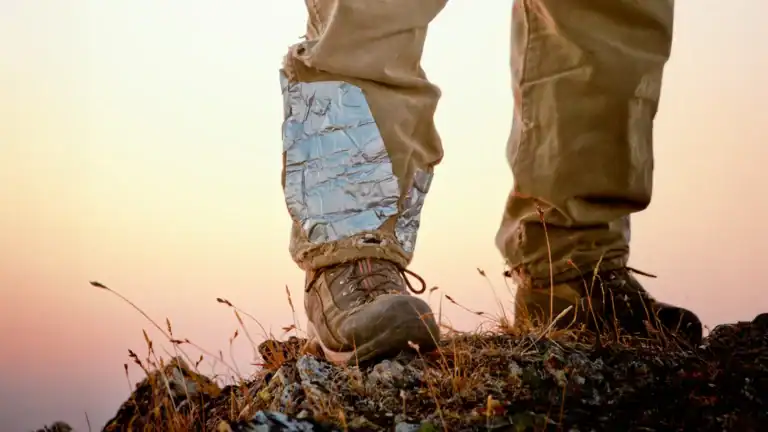
An emergency shelter is a day hiking necessity – a lightweight emergency blanket like the Arcturus Survival Tarp can be a lifesaver if you happen to get caught out in the cold or wet weather. It’s a simple piece of equipment that can help keep you warm and dry until help arrives and no, it’s not your thin foil. Check out our post as to why you shouldn’t rely on the typical space blanket.
Headlamp, Flashlight: Don’t Get Caught Without One
Carrying a headlamp (Petzl is a trustworthy brand and one that we use) or flashlight is a hiking trail essential, even if you don’t plan on being out after dark. You never know what might cause a delay, and being able to see in the dark can help prevent accidents and keep you safe.
Fire Starting Kit: For Warmth and Survival
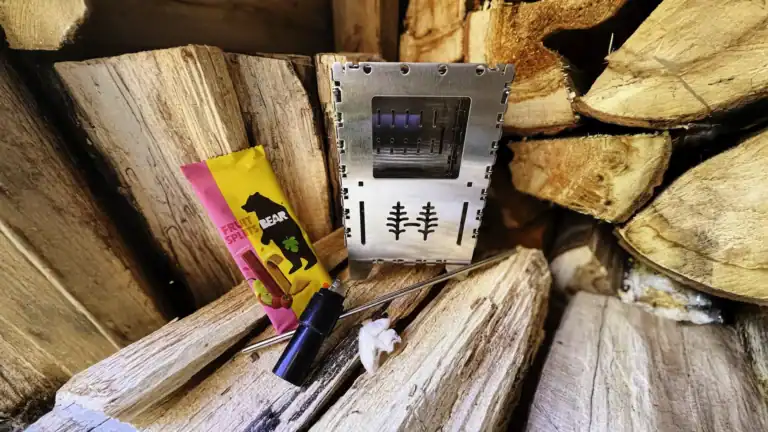
From boiling water to cooking food or warming up, a fire starter kit is a must for ANY outdoor adventure, let alone a day hike. Your survival fire kit should include stormproof matches, a lighter wrapped with duct tape, tinder, a candle, a stainless steel straw, a Ferro Rod, and a vaseline-dipped cotton ball. Don’t just carry these items – learn to master your fire skills if you haven’t already. DYK, you can even make a fire in the snow!
Multi-Tool: A Hiking Gear List Must
A multitool is not just for preppers and campers, hikers should carry one on their belt too. Something like the Leatherman Signal is a smart carry. Its features include a safety whistle, Ferro Rod, hammer, saw, awl, etc. A multi-tool like this will get you out of most emergency situations. It also fits nicely in the hand and is big enough to work with. Don’t go day hiking with tiny multi-tools – they are completely and utterly useless.
Conclusion: Hit the Trails Prepared and Confident with These Hiking Essentials
So there you have it, your hiking checklist! Being well-prepared turns a good day hike into an awesome adventure. Whether you’re planning a summer day hike or gearing up for cold weather hiking, this hiking essentials list covers ten essentials and more. From choosing the right hiking shoes to packing the perfect trail food, you’re now equipped with the knowledge to carry the correct items into the woods. Remember never, ever go into the woods unprepared – it never ends well.
👉 Have you ever been unprepared on a hike and lived to tell the tale? Share your story in the comments below! And share with a friend who needs these essential hiking tips!
Bookmark this post on Pinterest for future reference!




These are excellent hiking tips. I am not a hiker, but the thought of getting hit with bad weather half way on a trail gets me thinking about your suggestions for being prepared. I am all for the snack ideas. Thanks for the tips.
I’m glad you found the hiking tips helpful! Even if you’re not a hiker, being prepared for unexpected weather is always a good idea. And snacks make everything that much better!